
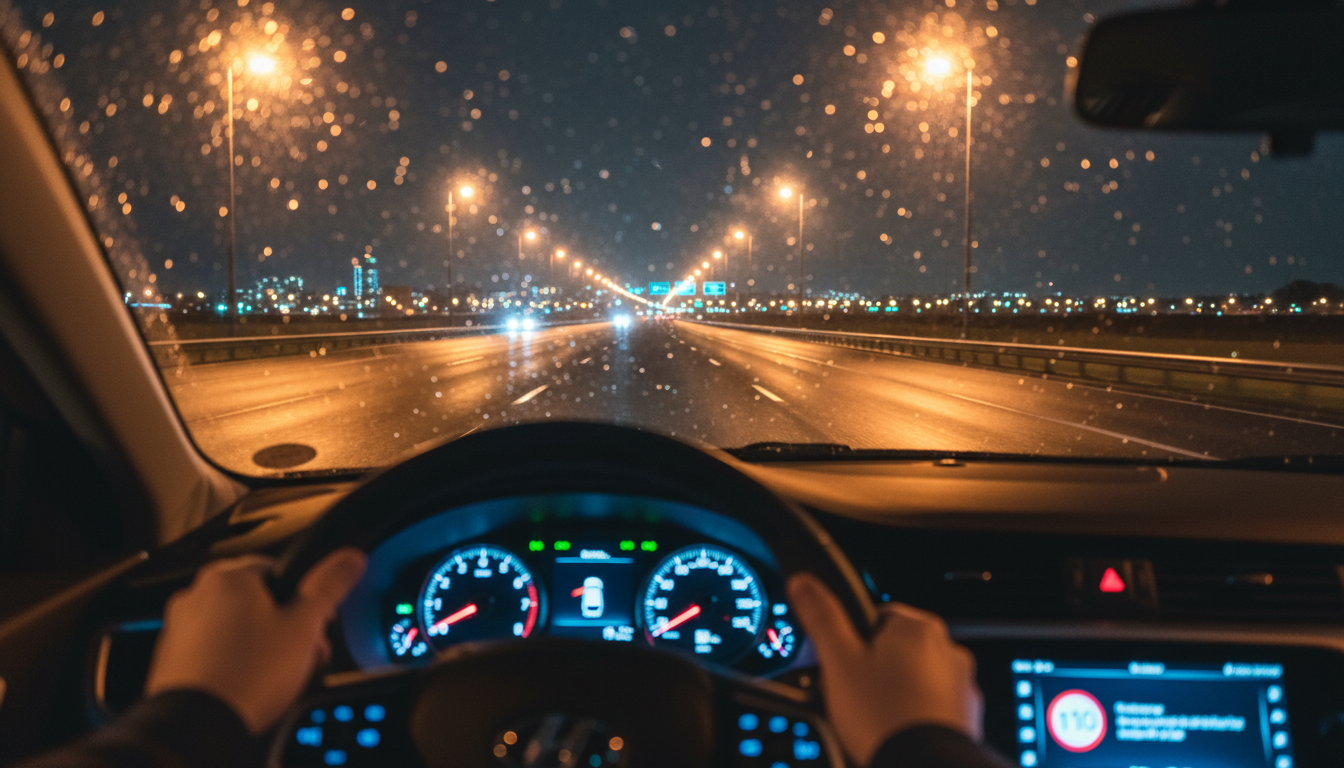
According to the Bureau of Infrastructure and Transport Research Economics (BITRE), alcohol was a contributing factor in 29% of road fatalities in Australia in 2022, representing 336 deaths. Understanding blood alcohol concentration limits and how they apply to your licence type is essential for every driver in New South Wales. The Road Transport Act 2013 (NSW) establishes strict legal thresholds for blood alcohol concentration and imposes significant penalties for drivers who exceed them.
This article explains the legal framework governing drink driving offences in NSW, including the prescribed concentration of alcohol (PCA) offence categories, how police measure BAC, and the consequences you face if charged. With over 45 years of experience representing clients in Local Courts across Western Sydney, Golottas Solicitors has guided countless drivers through the complexities of drink driving charges and the court process that follows.
What Is Blood Alcohol Concentration (BAC)?
Blood alcohol concentration is a measurement of the amount of alcohol present in your bloodstream, expressed as grams of alcohol per 100 millilitres of blood. When you consume alcohol, it is absorbed through your stomach and small intestine into your bloodstream, where it affects your central nervous system and impairs your ability to drive safely.
BAC is the standard metric used by NSW Police to determine whether a driver has exceeded the legal limit. A BAC of 0.05, for example, means there are 0.05 grams of alcohol in every 100 millilitres of blood. Transport for NSW reports that drivers with a BAC of 0.05 are twice as likely to be involved in a crash as a driver with zero BAC, and at 0.08 BAC, the risk increases to seven times.
The Road Transport Act 2013 (NSW) establishes different BAC limits depending on your licence type and the class of vehicle you are driving. These limits are strictly enforced through random breath testing operations conducted across NSW, with charges heard in the Local Court of NSW.
Legal Blood Alcohol Limits in NSW by Licence Type
NSW law prescribes different blood alcohol concentration limits based on the type of licence you hold and the vehicle you are driving. These limits are set out in sections 110 and 111 of the Road Transport Act 2013 (NSW).
| Licence Type | Legal BAC Limit |
|---|---|
| Learner licence holders | Zero BAC (0.00) |
| P1 provisional licence holders | Zero BAC (0.00) |
| P2 provisional licence holders | Zero BAC (0.00) |
| Full licence holders (unrestricted) | 0.05 BAC |
| Drivers of buses, taxis, hire vehicles, and vehicles carrying dangerous goods | 0.02 BAC |
| Drivers of heavy vehicles (gross vehicle mass exceeding 13.9 tonnes) | 0.02 BAC |
Learner and provisional licence holders must maintain zero BAC at all times when driving. This means any detectable amount of alcohol in your system constitutes an offence. For full licence holders, the legal limit is 0.05 BAC. Drivers of certain commercial vehicles, including buses, taxis, and heavy vehicles, are subject to a lower limit of 0.02 BAC.
It is also an offence under section 110(4) of the Road Transport Act 2013 (NSW) to drive under the influence of alcohol to such an extent that you are incapable of having proper control of the vehicle, regardless of your BAC reading. This is known as a driving under the influence (DUI) charge and can apply even if your BAC is below the prescribed limit.
How Many Standard Drinks Can You Have Before Driving?
There is no universally safe number of standard drinks that applies to all drivers. Blood alcohol concentration is influenced by numerous individual factors, including body weight, gender, metabolism, the amount of food consumed, and the rate at which you drink. Transport for NSW provides general guidance suggesting that for most people, consuming two standard drinks in the first hour and one standard drink per hour thereafter may keep BAC below 0.05, but this is not a guarantee.
A standard drink in Australia contains 10 grams of alcohol. This equates to approximately 285 millilitres of full-strength beer, 100 millilitres of wine, or 30 millilitres of spirits. However, many commercially served drinks contain more than one standard drink. A large glass of wine, for example, may contain up to two standard drinks, and mixed drinks at bars often contain significantly more alcohol than a single standard measure.
For learner and provisional licence holders, the answer is straightforward: you cannot consume any alcohol before driving. The zero BAC requirement means that even a small amount of alcohol can result in a criminal charge.
How Police Measure Blood Alcohol Concentration in NSW
NSW Police conduct random breath testing (RBT) operations at locations across the state, including mobile RBT units and stationary testing sites. Under section 13 of the Road Transport Act 2013 (NSW), police have the authority to require any driver to submit to a breath test without needing reasonable suspicion that the driver has been drinking.
The initial roadside breath test is conducted using a handheld screening device. If this test indicates that your BAC may be over the legal limit, or if you are subject to a zero BAC requirement and any alcohol is detected, police will require you to undergo a secondary evidentiary breath analysis at a police station or mobile testing unit.
The evidentiary breath analysis is conducted using an approved breath analysing instrument, which provides a precise measurement of your blood alcohol concentration. This reading is admissible as evidence in court proceedings. You are typically required to provide two breath samples, and the lower of the two readings is used for the purposes of any charge.
If you are unable to provide a breath sample due to a medical condition, police may require you to provide a blood sample instead. Refusing to submit to a breath test, breath analysis, or blood test without reasonable excuse is itself an offence under section 13 of the Road Transport Act 2013 (NSW), carrying penalties equivalent to a high-range PCA offence.
Penalties for Exceeding Blood Alcohol Limits in NSW
Prescribed concentration of alcohol (PCA) offences are categorised into four ranges under the Road Transport Act 2013 (NSW), each carrying different maximum penalties. NSW Bureau of Crime Statistics and Research (BOCSAR) data shows that in 2022, over 17,000 drink driving charges were finalised in NSW Local Courts, with mid-range PCA offences being the most common category.
By the Numbers
- —According to the Bureau of Infrastructure and Transport Research Economics (BITRE), alcohol was a contributing factor in 29% of road fatalities in Australia in 2022, representing 336 deaths.
- —Transport for NSW reports that drivers with a BAC of 0.05 are twice as likely to be involved in a crash as a driver with zero BAC, and at 0.08 BAC, the risk increases to seven times.
- —NSW Bureau of Crime Statistics and Research (BOCSAR) data shows that in 2022, over 17,000 drink driving charges were finalised in NSW Local Courts, with mid-range PCA offences being the most common category.
The four PCA offence categories are:
Special range PCA: BAC between 0.00 and 0.02 for drivers subject to a zero BAC limit, or between 0.02 and 0.05 for drivers subject to a 0.02 limit. Maximum penalty for a first offence is a fine of $2,200 and an automatic licence disqualification period of three months. A second or subsequent offence carries a maximum fine of $3,300 and a six-month disqualification.
Low range PCA: BAC between 0.05 and 0.08. Maximum penalty for a first offence is a fine of $2,200 and a six-month disqualification. A second or subsequent offence carries a maximum fine of $3,300, up to nine months imprisonment, and a 12-month disqualification.
Mid-range PCA: BAC between 0.08 and 0.15. Maximum penalty for a first offence is a fine of $3,300, up to nine months imprisonment, and a 12-month disqualification. A second or subsequent offence carries a maximum fine of $5,500, up to 12 months imprisonment, and a three-year disqualification.
High range PCA: BAC of 0.15 or above. Maximum penalty for a first offence is a fine of $3,300, up to 18 months imprisonment, and a three-year disqualification. A second or subsequent offence carries a maximum fine of $5,500, up to two years imprisonment, and a five-year disqualification.
These maximum penalties are set by legislation, but the actual penalty imposed by the Local Court of NSW depends on the specific circumstances of your case, your traffic record, and any mitigating factors presented. For a detailed breakdown of drink driving penalties and available legal defences, it is essential to seek advice from an experienced solicitor.
Licence Disqualification Periods by Offence Category
Every PCA offence carries a mandatory minimum licence disqualification period, which the court cannot reduce below the statutory minimum. The disqualification periods are set out in sections 110 and 111 of the Road Transport Act 2013 (NSW) and vary depending on the offence category and whether it is a first or subsequent offence.
For special range PCA offences, the minimum disqualification period is three months for a first offence and six months for a second or subsequent offence. Low range PCA offences carry a minimum disqualification of three months for a first offence and six months for repeat offenders. Mid-range PCA offences have a minimum disqualification of six months for a first offence and 12 months for subsequent offences. High range PCA offences carry a minimum disqualification of 12 months for a first offence and two years for repeat offenders.
In addition to the court-imposed disqualification, Transport for NSW may impose an immediate licence suspension from the date of the offence until the matter is finalised in court. This means you may be unable to drive for a significant period before your case is even heard. Understanding licence suspension periods following a PCA conviction is critical for managing the practical consequences of a drink driving charge.
In some circumstances, you may be eligible to apply for an interlock order under section 212 of the Road Transport Act 2013 (NSW), which allows you to drive a vehicle fitted with an alcohol interlock device during the disqualification period. Eligibility depends on the offence category, your prior traffic history, and whether the court considers you a suitable candidate for the program.
What Happens If You Exceed the Legal BAC Limit
If you are charged with a PCA offence, you will receive a Court Attendance Notice requiring you to appear at the Local Court of NSW on a specified date. The notice will set out the charge, the alleged BAC reading, and the date and location of the offence. You are required to attend court on the date specified unless your solicitor appears on your behalf.
At your first court appearance, you will be asked to enter a plea of guilty or not guilty. If you plead guilty, the magistrate will proceed to sentencing, taking into account the facts of the offence, your traffic record, your personal circumstances, and any submissions made by your solicitor. If you plead not guilty, the matter will be set down for a hearing, at which the prosecution must prove the charge beyond reasonable doubt.
For a detailed explanation of what happens after you’re caught drink driving in NSW, including the court process and your obligations, it is important to seek legal advice as early as possible. The decisions you make in the days following a charge can significantly affect the outcome of your case.
In addition to the criminal penalties imposed by the court, a drink driving conviction will result in a criminal record, which may affect your employment, travel, and insurance. For more information on DUI penalties, fines, and court outcomes in NSW, consult with a solicitor who has experience in traffic law.
Factors That Affect Your Blood Alcohol Concentration
Blood alcohol concentration is influenced by a range of physiological and environmental factors, which is why it is impossible to predict your BAC with certainty based solely on the number of drinks consumed. The following factors play a significant role in determining how alcohol affects your body:
Body weight: People with lower body weight typically reach higher BAC levels after consuming the same amount of alcohol as someone with a higher body weight, because there is less body mass to absorb and dilute the alcohol.
Gender: Women generally reach higher BAC levels than men after consuming the same amount of alcohol, due to differences in body composition and the presence of lower levels of the enzyme alcohol dehydrogenase, which metabolises alcohol.
Rate of consumption: Drinking alcohol quickly results in a faster rise in BAC, as your liver can only metabolise alcohol at a fixed rate of approximately 0.015 BAC per hour. Consuming multiple drinks in a short period overwhelms your body’s ability to process the alcohol.
Food intake: Consuming food before or while drinking slows the absorption of alcohol into your bloodstream, resulting in a lower peak BAC. However, food does not prevent alcohol from being absorbed entirely, and it does not speed up the rate at which alcohol is metabolised.
Metabolism: Individual metabolic rates vary, meaning some people process alcohol more quickly than others. Age, liver health, and genetic factors all influence how efficiently your body metabolises alcohol.
It is a common misconception that drinking coffee, taking a cold shower, or sleeping for a short period will lower your BAC. These actions may make you feel more alert, but they do not speed up the elimination of alcohol from your system. The only way to reduce your BAC is to allow sufficient time for your body to metabolise the alcohol naturally.
When to Seek Legal Advice After a Drink Driving Charge
If you have been charged with a PCA offence or any other drink driving offence in NSW, it is essential to seek legal advice as soon as possible. The consequences of a conviction extend beyond the immediate penalties imposed by the court and can affect your employment, your ability to travel, and your future driving privileges.
An experienced solicitor can review the circumstances of your charge, assess whether any procedural errors were made by police, and advise you on the best course of action. In some cases, it may be possible to challenge the charge on technical grounds, such as issues with the breath analysis procedure or the admissibility of evidence. In other cases, the focus may be on presenting mitigating factors to the court to minimise the penalty imposed.
Golottas Solicitors has represented clients in drink driving matters for over 45 years, appearing regularly in the Local Court of NSW on behalf of drivers facing PCA charges. Our solicitors understand the procedural requirements of drink driving cases and can provide clear advice on your options. For more information on how a solicitor can help with traffic offences, contact our Wetherill Park office to discuss your matter.
Understanding the role of a criminal lawyer in defending your rights is an important step in preparing for your court appearance and ensuring that your case is presented effectively.
Frequently Asked Questions
What is the legal blood alcohol limit for a full licence holder in NSW?
The legal blood alcohol concentration limit for a full licence holder in NSW is 0.05 grams of alcohol per 100 millilitres of blood, as prescribed under the Road Transport Act 2013 (NSW). Exceeding this limit constitutes a prescribed concentration of alcohol (PCA) offence and results in criminal charges. The offence category depends on your BAC reading, with low range PCA applying to readings between 0.05 and 0.08, mid-range PCA for readings between 0.08 and 0.15, and high range PCA for readings of 0.15 or above. All PCA offences are heard in the Local Court of NSW and carry mandatory licence disqualification periods.
How many standard drinks can I have and still drive legally in NSW?
There is no safe number of standard drinks that applies to everyone, as blood alcohol concentration is affected by weight, gender, metabolism, food intake, and drinking speed. Transport for NSW advises that for most people, two standard drinks in the first hour and one per hour after may keep BAC below 0.05, but the only safe approach is to avoid drinking entirely before driving. Individual variation means that these guidelines cannot account for every person’s unique physiology, and many factors can cause your BAC to exceed the legal limit even if you follow general recommendations. For learner and provisional licence holders, any amount of alcohol is prohibited, as they are subject to a zero BAC requirement under the Road Transport Act 2013 (NSW).
What happens if I refuse a breath test in NSW?
Refusing a breath test, breath analysis, or blood test without reasonable excuse is an offence under section 13 of the Road Transport Act 2013 (NSW). The maximum penalty is equivalent to a high-range PCA offence, including automatic licence disqualification and potential imprisonment, even if you were not actually over the limit. For a first offence, the maximum penalty is a fine of $3,300, up to 18 months imprisonment, and a three-year disqualification. A second or subsequent refusal offence carries a maximum fine of $5,500, up to two years imprisonment, and a five-year disqualification. The only valid reasons for refusing a test are genuine medical conditions that prevent you from providing a breath sample, and you must provide evidence of this condition to police.
Can I be charged with drink driving if I’m under 0.05 BAC?
Yes. Learner, P1, and P2 licence holders must have zero BAC under NSW law, meaning any detectable amount of alcohol constitutes an offence. Drivers of buses, taxis, and heavy vehicles are also subject to zero BAC limits or a 0.02 limit depending on the vehicle class. Additionally, police can charge a driver with driving under the influence (DUI) under section 110(4) of the Road Transport Act 2013 (NSW) if their ability to drive is impaired, regardless of BAC level. A DUI charge applies when a driver is incapable of having proper control of the vehicle due to alcohol consumption, even if their BAC reading is below the prescribed limit for their licence type.
How long does alcohol stay in your system for a breath test?
Alcohol is metabolised at approximately 0.015 BAC per hour, meaning it can take many hours for alcohol to leave your system entirely. A person at 0.05 BAC may take over three hours to reach zero, while someone at 0.15 BAC could take ten hours or more. Sleeping, drinking water, or eating does not speed up this process, as your liver can only metabolise alcohol at a fixed rate. This means that if you drink heavily at night, you may still be over the legal limit the following morning. The only reliable way to ensure you are under the legal limit is to allow sufficient time for your body to eliminate the alcohol naturally, or to avoid drinking before driving altogether.
This article is general information only and does not constitute legal advice. For advice specific to your circumstances, contact a qualified solicitor.
If you’ve been charged with a drink driving offence in NSW, Golottas Solicitors has over 45 years of experience defending clients in Local Courts across Western Sydney. Contact our Wetherill Park office today for expert legal advice tailored to your circumstances.