
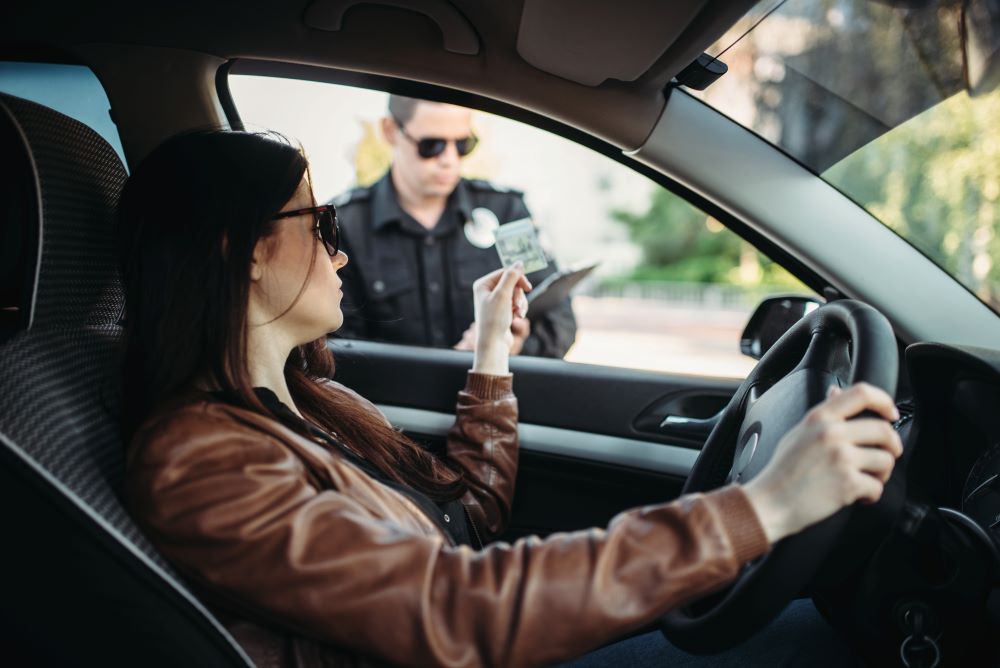
Being charged with a driving offence in NSW can be a confronting experience. From minor traffic infringements to serious criminal charges, traffic-related offences are among the most common reasons people find themselves facing court in New South Wales. Whether you are dealing with a speeding fine, a drink driving allegation or a disqualified driving charge, understanding the nature of the offence, the potential penalties and your legal options is crucial to protecting your licence, your livelihood and your future.
Driving offences in NSW can range from relatively minor infringements to serious criminal charges requiring a court appearance. Understanding how the offence is classified, the potential penalties and the effect on your driver licence can help you determine what action may be required.
In New South Wales, traffic offences fall into two broad categories. First, there are traffic infringements, such as speeding, running a red light or using a mobile phone while driving. These usually result in a fine and demerit points, but more serious or repeat offences can lead to licence suspension or court proceedings. Then there are criminal driving offences, which are prosecuted by police and dealt with in the Local Court. These include offences such as drink driving, drug driving, dangerous driving, and driving while disqualified.
One of the most common criminal driving offences in NSW is drink driving, officially known as PCA – Prescribed Concentration of Alcohol. This offence is divided into several categories based on the level of alcohol in your system. These include low-range, mid-range and high-range. Penalties vary depending on your reading and whether it is a first or repeat offence. A conviction for drink driving can result in fines, automatic licence disqualification, participation in the alcohol interlock program and even a custodial sentence for serious repeat offenders.
Drug driving is another major offence in NSW and includes both driving with illicit drugs in your system and driving under the influence of a drug. Random roadside drug tests can detect the presence of substances such as cannabis, MDMA and methamphetamine. Unlike alcohol offences, there is no ‘safe limit’ for drugs. If you test positive, you can be issued with a penalty notice or charged and ordered to appear in court. A conviction for drug driving may result in licence suspension, fines and a criminal record.
Other common charges include driving while suspended or disqualified, negligent driving, driving without a licence, and dangerous driving causing grievous bodily harm or death. Some of these offences carry maximum penalties of up to two years’ imprisonment and are considered very serious under NSW criminal law. A conviction for a major traffic offence may affect your employment, ability to hold a licence and even your immigration status if you are on a visa.
If you have been charged, it is important to know when to engage legal help. The table below outlines some of the most common driving offences, the relevant laws, potential penalties and when you should speak with a solicitor.
Common Driving Offences in NSW and When to Call a Solicitor
| Type of Offence | Relevant Legislation | Typical Penalty | When to Call a Solicitor |
| Low-Range Drink Driving | Road Transport Act 2013 (NSW) – Section 110(3) | Fine up to $2,200, licence disqualification, possible interlock order | If you want to seek a non-conviction outcome or minimise disqualification |
| Mid-Range Drink Driving | Road Transport Act 2013 (NSW) – Section 110(4) | Heavier fine, longer disqualification, mandatory interlock, potential jail time | Always – penalties are serious and legal representation is essential |
| High-Range Drink Driving | Road Transport Act 2013 (NSW) – Section 110(5) | Fine up to $3,300, long disqualification, mandatory interlock, up to 18 months jail | Always – this is a major offence and court outcomes vary widely based on your case |
| Drug Driving – Presence Detected | Road Transport Act 2013 (NSW) – Section 111(1) | Fine up to $2,200, licence disqualification | If you wish to challenge the result, seek leniency, or understand the testing procedures |
| Driving While Disqualified/Suspended | Road Transport Act 2013 (NSW) – Section 54(3) | Fine up to $3,300, jail up to 6 months (first offence) | If you want to argue necessity, dispute the charge, or reduce sentencing |
| Dangerous Driving Causing Injury | Crimes Act 1900 (NSW) – Section 52A | Maximum 7 years imprisonment, mandatory disqualification | Always – this is a serious criminal offence with long-term consequences |
| Negligent Driving | Road Transport Act 2013 (NSW) – Section 117 | Fine, possible disqualification, potential jail if causing injury | If injury is involved or you want to avoid a conviction |
| Licence Suspension Appeal | Road Transport (Driver Licensing) Regulation 2017 | Appeal in Local Court | If you need your licence for work, family, or health reasons |
When to Seek Legal Advice
Legal advice may be particularly important where a traffic offence requires a court appearance, carries the risk of licence suspension or disqualification, or involves a serious criminal driving allegation.
A solicitor can review the charge and police material, explain whether any defence or other legal option may be available and assist with preparation for court. Advice may also be appropriate where you have received an eligible licence suspension and need to understand whether an appeal is available.
If you require advice or representation for a traffic matter, visit our Traffic Offence Lawyers Sydney service page for information about how Golottas Solicitors can assist.
Conclusion
Driving offences in NSW can have consequences ranging from fines and demerit points through to licence suspension, disqualification and criminal penalties. The appropriate response depends on the type of offence, the evidence and your individual circumstances.
If you are unsure about a charge, court attendance notice or licence suspension, obtaining legal advice early can help you understand the options available.